
There was a time when playing a Test series in India felt like walking into a storm for the opposition.
The conditions were difficult, the spinners were relentless and India’s batting lineup usually found a way to put the game out of reach. That certainty has disappeared a little.
The defeats against New Zealand and South Africa have made one thing clear: India’s Test team is no longer as comfortable as it once was, even on familiar ground.
That makes the next phase of India’s Test cricket particularly interesting.
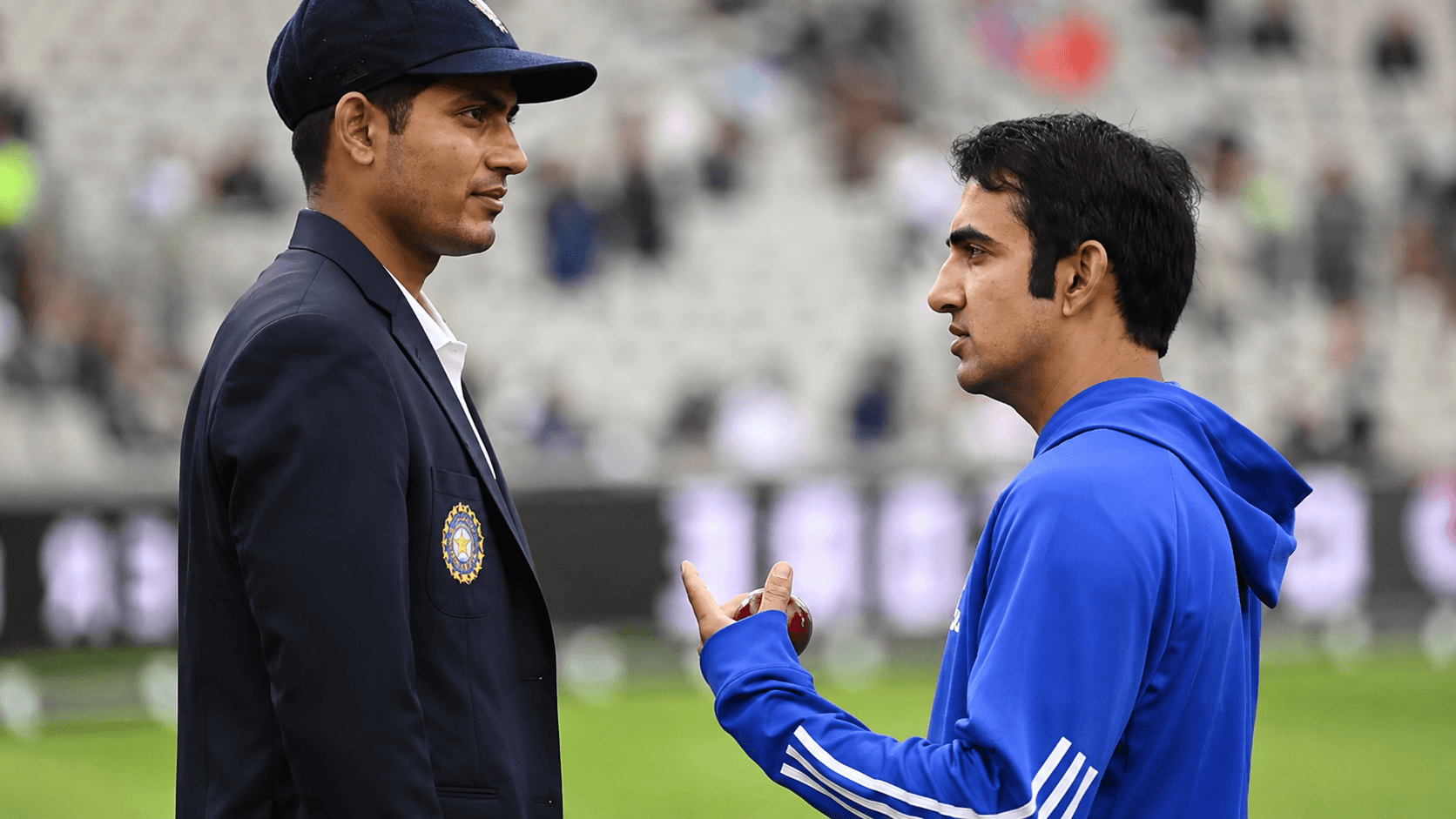
Gautam Gambhir has already been through enough conversations about the team’s performances. He has defended his record, pointed towards India’s achievements and made it clear that a couple of difficult series will not define his time as head coach.
But cricket has a funny way of bringing the conversation back to the present.
And right now, the present isn’t particularly comfortable for India.
India’s Test Problems Are Bigger Than One Bad Series
It would be easy to blame India’s recent problems on one series.
That would also be a mistake.
The warning signs had already appeared before South Africa arrived. The New Zealand series had exposed weaknesses in India’s batting, particularly when the ball started turning and the pitch became difficult to read.
South Africa simply pushed those weaknesses further into the spotlight.
The biggest concern wasn’t necessarily that India lost. Teams lose Test matches.
It was the manner in which they struggled to adapt.
When the pitch changed, India’s batting often looked as though it was waiting for the conditions to become easier rather than finding a way to deal with them.
That is something opponents will notice.
And Sri Lanka certainly won’t need much convincing after watching what happened.
Shubman Gill’s Return Comes at the Right Time
India could probably do with one thing more than anything else right now: stability.
Shubman Gill can provide some of it.
His return gives India an important batting option and, perhaps more importantly, brings back a player who is expected to carry a significant amount of responsibility in this new phase of Indian Test cricket.
Gill’s leadership will be under the microscope, but his batting may matter even more.
India don’t simply need him to captain well. They need him to score runs.
A big series from Gill could change the mood around the team very quickly. Test cricket often works that way. One dominant innings can settle a dressing room, silence outside criticism and remind everyone why the team was considered strong in the first place.
The Transition Is Making Things Complicated
The timing of India’s problems isn’t ideal.
The team is going through changes in both departments at almost the same time.
Sai Sudharsan’s progress has not followed a completely straight line since his England experience, and his injury adds another layer to the selection puzzle.
Washington Sundar’s absence is another concern.
India had hoped that Sundar could gradually take on some of the responsibility left behind by Ravichandran Ashwin. He brings something valuable to the side because he can contribute in both departments.
Finding a replacement on paper is easy.
Finding someone who can actually reproduce that impact in Test cricket is a different matter.
Then There Is Jasprit Bumrah
Every discussion about India’s bowling attack eventually comes back to Jasprit Bumrah.
That’s not surprising.
Bumrah has become the sort of bowler who changes the feel of an entire Test match. His availability gives India confidence, while his absence immediately creates questions about where the wickets will come from.
Mohammed Siraj has shown that he can handle responsibility, but India need more than one dependable fast bowler.
Prasidh Krishna has had opportunities and will be expected to improve his consistency. The other options are still relatively inexperienced at Test level.
This is where India’s transition becomes particularly tricky.
You cannot manufacture Test experience overnight.
India’s Biggest Problem May Still Be Spin
If there was one lesson India’s recent defeats made impossible to ignore, it was their struggle against spin.
Good spin bowling doesn’t always beat a batter with a spectacular delivery.
Sometimes it simply creates doubt.
Should I come forward?
Should I go back?
Should I attack?
Should I defend?
That hesitation can be enough.
India’s batters appeared to have too many of those moments against South Africa. Simon Harmer, in particular, showed how effective disciplined spin can become when the batting side loses confidence.
Sri Lanka will have noticed.
There is no reason for them not to test India in exactly the same area.
Sri Lanka Could Be a Fresh Start
The good news for India is that they don’t have to spend the entire tour looking backwards.
Sri Lanka provides a chance to reset.
A good series would not magically remove all of India’s Test problems. But winning matches, scoring runs and seeing younger players handle pressure would go a long way towards restoring confidence.
For Gambhir, this is also an opportunity.
He doesn’t need another speech about the past.
He needs results that allow the team to move forward.
The World Test Championship Makes Every Match Important
India’s Test campaign is not happening in isolation.
The World Test Championship points table is always sitting somewhere in the background.
Every dropped point makes the road to the final harder.
India still have enough cricket left in the 2025-27 cycle to repair their position, but there isn’t much room for another long run of inconsistent results.
The matches that follow the Sri Lanka tour will be particularly demanding. New Zealand and Australia are not opponents against whom India can afford to enter a series without a clear plan.
Especially Australia.
Those Tests could have a huge say in India’s WTC hopes.
What Does India Need to Fix?
The answer isn’t one superstar returning from injury.
India need several small things to start working together again.
Their batters need to become more comfortable against spin.
The middle order needs to contribute consistently.
The fast bowlers need to support Siraj when Bumrah isn’t available.
The younger players need enough backing to actually settle into Test cricket.
And, perhaps most importantly, India need to stop panicking when the game doesn’t go according to plan.
That last point is often overlooked.
Test cricket rewards patience.
Gambhir’s Real Challenge Starts Now
Gautam Gambhir’s biggest job isn’t defending what India have achieved in the past.
It’s deciding what this team should look like in the next few years.
India are no longer the same side that reached the first two World Test Championship finals. Several familiar faces have moved on, new players are arriving and others are being asked to take responsibilities they haven’t carried before.
That process was always going to be messy.
The question is whether India can make the transition without losing their competitiveness.
Shubman Gill’s return gives them an important piece of the puzzle. A fit Bumrah would obviously make the bowling attack stronger. Young players such as Sai Sudharsan and others have opportunities waiting for them.
But opportunities only matter if the team turns them into performances.
The Next Few Tests Could Tell Us a Lot
India don’t need to become a perfect Test team overnight.
They simply need to start looking like a team that knows how to win difficult moments again.
The Sri Lanka series offers that chance.
For Gill, it is another step in establishing himself as a leader.
For Gambhir, it is an opportunity to move the conversation away from what went wrong and towards what comes next.
And for Indian Test cricket, perhaps this is the most important part of all.
The old team is slowly disappearing.
The new one is still being built.
How well India manage that transition could determine whether they return to the World Test Championship final — or spend the next two years wondering what went wrong.